Investing
Converting a Pub to Mixed-Use or Residential: Planning Rules and Profit Potential
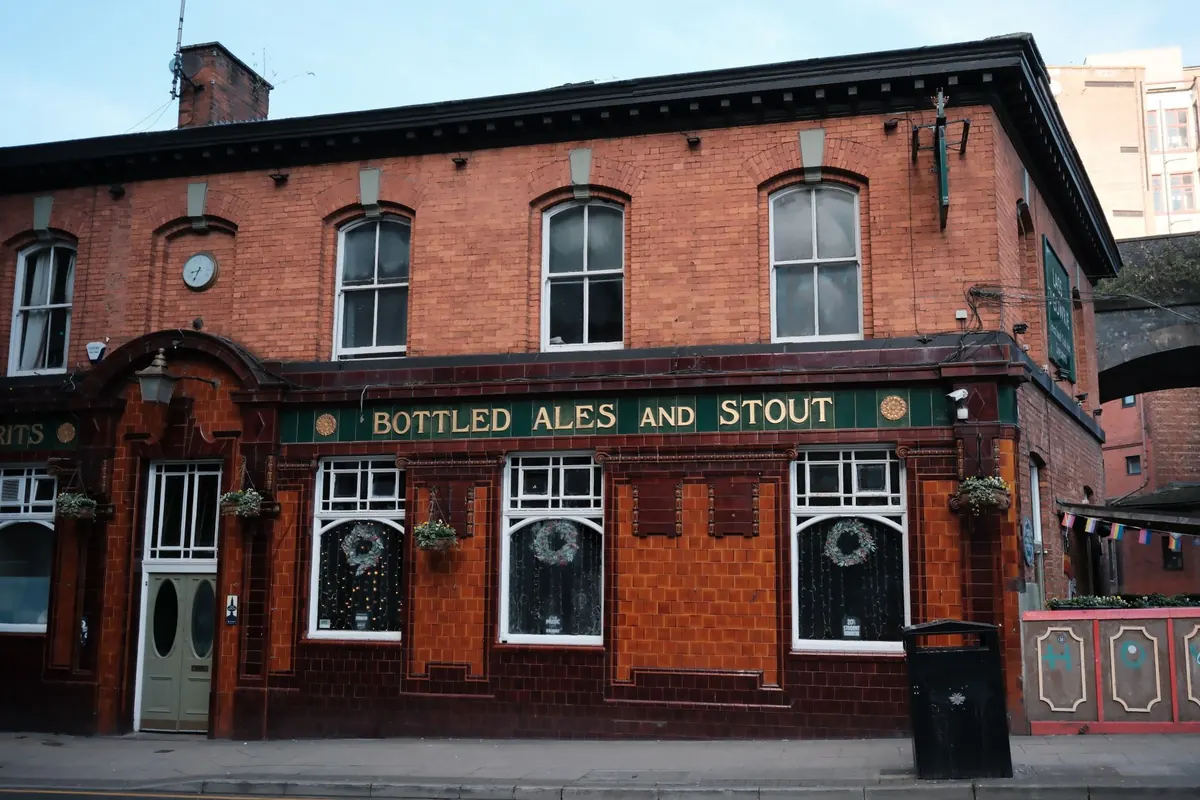
Walk into a closed pub and you can usually see the flats waiting to happen. Tall ceilings, deep windows, a corner position, a building that has stood for a century and will stand for another. The location — on a street where people genuinely want to live — is the part you cannot manufacture.
What stops most of these projects is not the structure. It is the paperwork. A pub sits in a use class of its own, so you rarely get to lean on the simpler permitted development routes that make other commercial conversions feel manageable. Add a premises licence, a possible community listing, and a cellar full of tanks and pipework, and you have a planning exercise first and a building project second.
Start with the use class, not the floor plan
In England, drinking establishments became sui generis in September 2020, when Class E swept up shops, offices, restaurants and gyms but deliberately left pubs outside. That matters: moving a pub to residential or retail use is almost always a material change of use, which means a full planning application rather than a prior approval notification. Scotland, Wales and Northern Ireland run their own regimes, so confirm the position where your building sits.
Mixed use is often the easier conversation. If the ground floor stays in commercial use — a shop, café, small bar — with flats above, you are applying for a mixed-use scheme rather than the outright loss of a community facility. Committees tend to prefer an active frontage to a row of blank residential doors.
The community right to bid
Check the council's list of Assets of Community Value before you instruct anyone. If the pub is listed, the owner must notify the authority of an intended sale and a community group gets a moratorium — normally six months — to put together a bid. Listing can also restrict certain permitted development rights, and the demolition of a pub normally requires planning permission in its own right.
Pub protection policies
Many councils carry a local plan policy specifically protecting pubs. Expect to demonstrate that the pub has been marketed as a going concern for a realistic period, at a realistic price, and that it is genuinely unviable. Budget for a viability report. If your case is thin, the application will be refused on policy grounds regardless of how good the drawings are.
Listed buildings and conservation areas
A Grade II listing covers the interior as well as the outside, so removing a bar back, a staircase or panelling needs listed building consent. In a conservation area, demolition is restricted and external changes — roof lights, rear extensions, window replacements — attract close scrutiny. These constraints are usually solvable, but they add time and consultant fees.
Licensing, covenants and the surveys that matter
The premises licence does not transfer to a different use. If you plan to keep any licensed element, the application is best made early; if you don't, the licence lapses with the trade. Old brewery ties and restrictive covenants are the other quiet killer — some deeds restrict the sale of alcohol or the use of the building in ways that only surface during a title investigation.
Then commission surveys that go beyond the cosmetic:
- A full building survey, with asbestos sampling. Lagging, ceiling tiles and roof sheets in older pubs frequently contain it.
- A structural look at the cellar and any tank rooms or chillers bolted to the frame.
- Drainage and service capacity, because flats need individual supplies and meters that a pub never had.
- Damp, wet rot and timber condition, particularly around cellars and rear extensions.
What the conversion really costs
The headline works are the fun part. The money disappears into the parts nobody photographs. Filling or tanking a cellar often requires a new structural slab. Fire compartmentation and protected escape routes are heavier in a commercial-to-residential conversion than in a house. Sound insulation between new flats means upgrading timber floors. Then there is the ductwork and extraction to strip out, the roof plant, the meters, and the shopfront or entrance you never planned to rebuild.
Add the statutory layers: Part B for fire, Part E for sound, Part L for energy, Part M for access. VAT on residential conversions is a genuinely useful relief in some circumstances and irrelevant in others, and a reduced rate can apply to certain qualifying works — but the rules are detailed, so get your adviser involved before you sign the building contract. Hold back a serious contingency. A cellar can consume it in a fortnight.
Layout options that tend to work
- Full residential. Three to six flats, one per floor plus a lower ground unit, often with a modest rear extension. Usually the best return, usually the hardest consent.
- Shop or café below, flats above. Retains an active ground floor, keeps commercial value at street level, and is the easiest scheme to get past a committee.
- A single house. Sensible only for small back-street pubs where the floorplate and neighbours suit family living.
- A shrunken pub with flats above. The community keeps a pub, you keep the upper floors as income. This can satisfy pub protection policies if the operation is genuinely viable.
Watch for Article 4 directions on houses in multiple occupation before you assume an HMO or serviced accommodation route.
Stress-testing the profit
Work backwards. Establish the value of the finished units, subtract build cost, professional fees, finance, voids and contingency, and see what is left as a land value. Then run it again with exit values down ten per cent and build costs up. If the deal only survives the optimistic version, it is not a deal.
Compare that figure with the price of the pub as a vacant building, and with the price as a trading business. A long-closed pub with a failed marketing history is often cheaper precisely because the planning risk is real. A busy pub with an ACV listing is a fight you may win slowly and expensively. Lenders price planning risk into their terms, so speak to a broker before you commit rather than after.
Before you exchange: a practical sequence
- Confirm the use class and check for Article 4 directions.
- Search the ACV register, the listed building register and conservation area maps.
- Book a pre-application meeting with the planning authority. Pay for it. It is the cheapest advice you will get.
- Instruct a building survey with asbestos sampling and a structural view of the cellar.
- Have a solicitor report on title, covenants and any historic licensing constraints.
- Take VAT and tax advice, and check CIL and affordable housing obligations with the council.
- Model the numbers with a downside case before you lift conditions.
Pubs convert well when the planning story is told early, honestly and with evidence. Do that work first, and the building — the high ceilings, the corner site, the brickwork that has already lasted a hundred years — will do the rest.
Planning, licensing, tax and property law vary by nation and by council, and every site is different. Take professional advice on your own scheme before committing money.
Photo: MART PRODUCTION / Pexels
Related Articles